In a first, the Philippines launches community-led harm reduction modules that recognize the human rights of drug users and impart empathy rather than fear.
AFTER a decade defined by a punitive “war on drugs” that drew international condemnation, a group of health advocates and human rights defenders is pivoting toward a radical new approach: treating drug use with evidence and empathy rather than fear and firearms.
On March 26, 2026, the ACCEPT Project (Advancing Compassionate, Evidence-informed, Practical, and Transformative Modules for Sensible Drug Conversations) officially launched the country’s first community-led drug education modules. Funded by the British Embassy Manila through the Chevening Alumni Program Fund (CAPF), the initiative is led by a team of Filipino experts in public health, law, and human rights.
For years, drug education in the Philippines has often relied on stigmatizing messaging that framed substance use as a moral failing or a criminal choice. The ACCEPT Project seeks to replace this with a curriculum grounded in international standards for the treatment of drug use disorders set by the UN Office on Drug and Crime and World Health Organization.
“For too long, drug education has relied on fear. The ACCEPT modules prove that when we empower communities with evidence and empathy, we don’t just reduce stigma — we create community,” said Dr. Raymond John Naguit, the ACCEPT Project’s lead. “This year’s implementation has shown that a public health framework to speaking about drug use is the most effective path forward for the Philippines.”
The modules are designed to be built through direct consultations with civil society and people who use drugs (PWUDs). It also aims to move away from “scare tactics” toward factual health information and prioritizes the reintegration of individuals into their communities.
“Proper knowledge allows us to be at the forefront of change,” said Bernadette Boyles of Kababaihan sa Pagbabago at Pagbangon, noting that local leaders are now equipped to lead reforms at the neighborhood level.
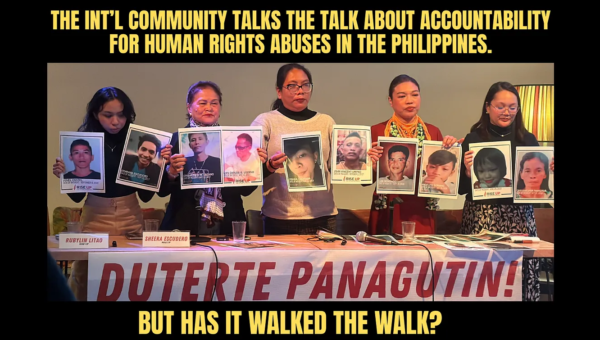
The urgency for such a shift is underscored by the heavy toll of the previous administration’s anti-drug campaign. Initiated in 2016, the “war on drugs” resulted in over 6,200 deaths in official operations, according to the Philippine Drug Enforcement Agency (PDEA). However, human rights organizations estimate the death toll could be as high as 30,000, prompting an investigation by the International Criminal Court (ICC) for potential crimes against humanity.
Beyond the loss of life, the punitive model created a 534% congestion rate in Philippine jails—among the highest in the world—and fostered a climate where the UN Office of the High Commissioner for Human Rights (OHCHR) documented “widespread and systematic” rights violations.
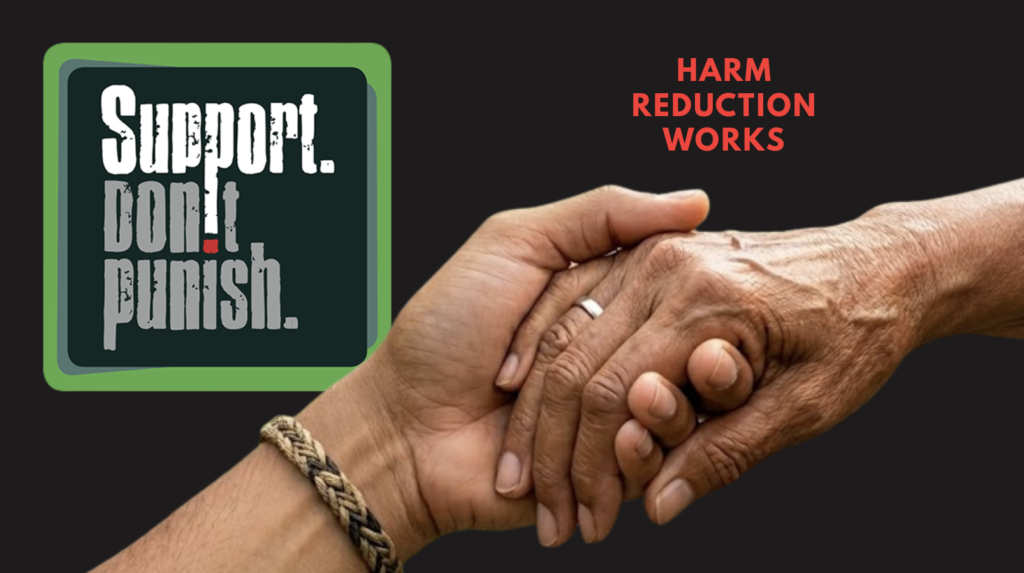
The ACCEPT Program is consistent with harm reduction, a set of practical and rights-respecting strategies aimed at reducing the negative consequences of drug use. Unlike abstinence-only models, it acknowledges the complex reality of substance use and focuses on keeping people alive and healthy.
Core principles of harm reduction include a focus on preventing overdoses and the spread of infectious diseases like HIV and Hepatitis C, shifting the management of mild-to-moderate drug use from the legal system to community health support, and humanizing users and encouraging them to seek help without fear of being killed or “red-tagged.”
During the launch, Commissioner Maria Amifaith Fider-Reyes of the Commission on Human Rights (CHR) emphasized that true justice requires moving away from “abuse and impunity” and toward the protection of human dignity. She noted that a transitional justice lens is necessary to reactivate law enforcers as enforcers of human rights rather than instruments of punishment.
Naguit also announced the establishment of the ACCEPT Drug Education Network, a nationwide coalition of academics, NGOs, and service providers. This network aims to scale the curriculum across the archipelago, providing a blueprint for a society that protects its citizens through care, science, and the rule of law. (Rights Report Philippines)