Amnesty International paints a mixed picture of the Philippines, where rights abuses persist
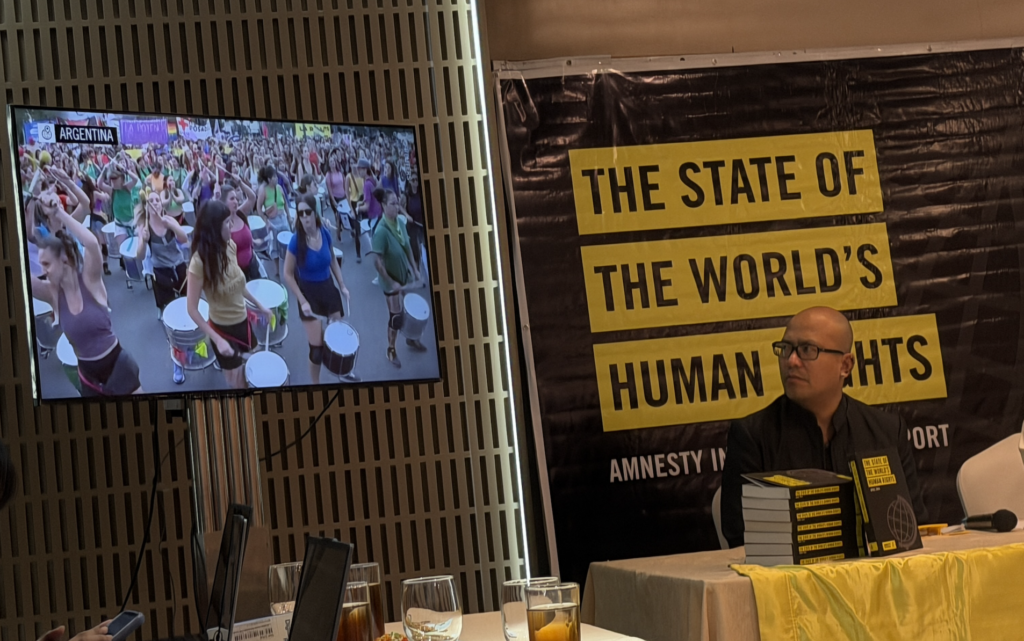
AMNESTY International on Tuesday launched its annual assessment of human rights conditions worldwide here in Manila, with its Philippines chapter painting a mixed picture: a landmark moment of accountability with the arrest and transfer to The Hague of former president Rodrigo Duterte, offset by stubborn impunity in drug war killings, continuing attacks on press freedom and the silencing of dissent.
The Philippines chapter noted that Duterte was arrested in March 2025 and transferred to the International Criminal Court on a warrant for murder as a crime against humanity — charges tied to unlawful killings during his time as Davao City mayor and later as president. The arrest was welcomed by victims’ families and civil society groups.
But the report made clear that justice for the broader drug war remains largely out of reach. Despite thousands of people being unlawfully killed since 2016, only five cases had resulted in convictions — involving a total of nine police officers. Drug-related killings during police operations persisted throughout 2025, with at least 271 deaths recorded by the end of the year by Dahas, a University of the Philippines-based monitoring group.
In December, the Supreme Court affirmed the conviction of three police officers for the 2017 killing of 17-year-old Kian delos Santos during an anti-drug operation, one of the most closely watched cases to result in any accountability since the drug war began.
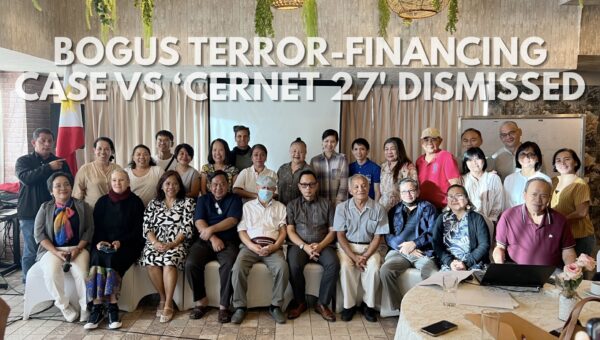
On the press freedom front, at least four journalists were killed during the year, including press freedom advocate and former politician Juan Dayang and former broadcaster Ali Macalintal. Government authorities continued using anti-terrorism laws to target development workers, journalists and activists. Journalist Frenchie Mae Cumpio and development worker Marielle Domequil remained behind bars for over five years on charges that civil society groups say were fabricated.
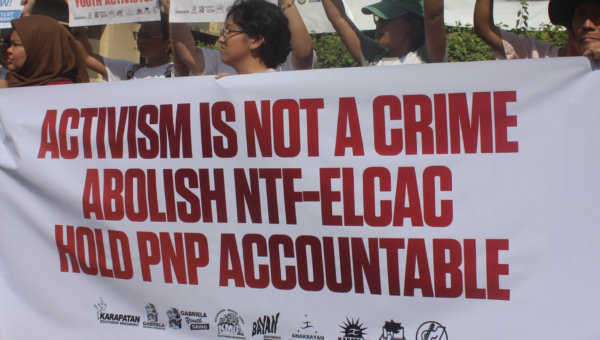
The report also flagged a disturbing pattern of online intimidation. Research published in April found that authorities engaged in “red-tagging” — labeling individuals as communists — which drove a climate of fear among young human rights defenders. A UN special rapporteur who visited the country in early 2024 later reported that the government’s follow-through on freedom of expression was “not enough to make a meaningful difference” and urged Manila to end red-tagging, decriminalize libel, amend the Anti-Terrorism Act of 2020 and abolish the National Task Force to End Local Communist Armed Conflict.
Peaceful protest also came under the gun. In September, more than 200 people — including children — were arrested and detained by police in Manila during demonstrations against alleged corruption in flood-control projects. Detainees said police beat them, denied them access to lawyers and cut off contact with their families. Police denied the allegations. Two people reportedly died during the unrest, including a 15-year-old boy.
The report also called out the government’s treatment of indigenous communities, finding that authorities failed to secure the consent of Indigenous Peoples for nickel mining projects that caused deforestation, metal contamination and health problems in their communities.
Globally, Amnesty International’s Secretary General Agnès Callamard issued what may be the starkest warning in the organization’s history. She described what is happening as a “direct assault” on the foundations of human rights and the international rules-based order — carried out by the world’s most powerful actors in pursuit of control, impunity and profit.
The report, covering 144 countries, goes beyond cataloging the gradual erosion of human rights norms to documenting what Amnesty describes as a collapse already underway, from Israel’s continued genocide in Gaza to more than 150 extrajudicial killings carried out by the United States in the Caribbean and the Pacific, to Russia’s intensified strikes on civilian infrastructure in Ukraine. Callamard warned that world leaders have been “far too submissive” in the face of these attacks and called the politics of appeasement “morally bankrupt.” (Rights Report Philippines)
The full report is available atamnesty.org. The Philippines chapter can also be read on the Amnesty International Philippines website.